
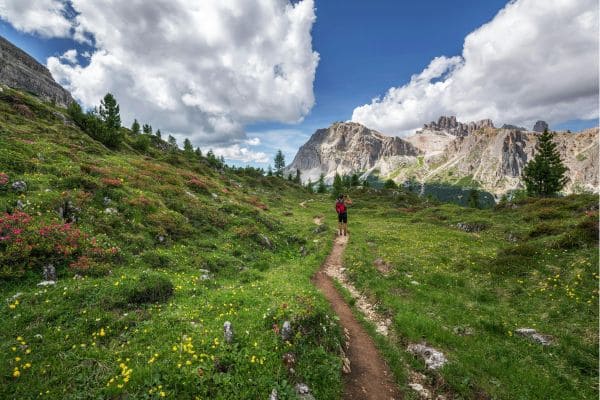
10 Must-Hike Trails For Beginners
By Admin
Trail Tales
Preventing AMS, HAPE, and HACE During High-Altitude Hiking
High-altitude hiking can be an exhilarating experience, but it comes with unique risks due to lower oxygen levels as you ascend. The three main altitude-related conditions—Acute Mountain Sickness (AMS), High-Altitude Pulmonary Edema (HAPE), and High-Altitude Cerebral Edema (HACE)—can range from mildly uncomfortable to life-threatening. Preventing these conditions requires careful planning, proper acclimatization, and a good understanding of how the body responds to high altitudes. This article will cover essential strategies to prevent AMS, HAPE, and HACE, helping you to enjoy a safe and successful high-altitude hike.
Understanding AMS, HAPE, and HACE
Acute Mountain Sickness (AMS) is the most common altitude-related illness, typically occurring at altitudes above 2,500 meters (8,200 feet). Symptoms include headache, nausea, dizziness, fatigue, and loss of appetite. If untreated, AMS can progress to more severe conditions.
High-Altitude Pulmonary Edema (HAPE) is a life-threatening condition involving fluid buildup in the lungs, usually at altitudes above 3,000 meters (9,800 feet). Symptoms include shortness of breath, fatigue, cough, and rapid heartbeat. HAPE can lead to hypoxia (oxygen deficiency) and requires immediate medical attention.
High-Altitude Cerebral Edema (HACE) is a dangerous form of altitude sickness that involves swelling of the brain, often at altitudes above 4,000 meters (13,000 feet). Symptoms include severe headache, confusion, loss of coordination, and, in severe cases, coma. Like HAPE, HACE is life-threatening and requires immediate descent and medical intervention.
The Importance of Acclimatization
Proper acclimatization is the most effective way to prevent altitude sickness. When you ascend too quickly, your body doesn’t have time to adjust to the lower oxygen levels, increasing your risk of AMS, HAPE, and HACE.
Ascend Gradually: Try not to increase your sleeping altitude by more than 300-500 meters (1,000-1,600 feet) per day above 2,500 meters.
Take Rest Days: After every 1,000 meters (3,300 feet) of ascent, take a full day to rest and allow your body to adjust to the new altitude.
Climb High, Sleep Low: If possible, ascend to a higher altitude during the day, but return to a lower altitude to sleep. This approach gives your body more exposure to higher altitudes without overloading it.
Key Acclimatization Tips:
By following these acclimatization steps, you allow your body time to produce more red blood cells and adjust to the lower oxygen levels, significantly reducing the risk of altitude sickness.
Hydration and Nutrition
Staying well-hydrated and properly nourished is crucial for preventing altitude sickness. Dehydration can exacerbate symptoms of AMS, while a lack of proper nutrients can compromise your body’s ability to adapt to altitude changes.
Drink Plenty of Water: Aim to drink at least 3-4 liters of water per day, depending on your activity level and the altitude. Avoid alcohol and caffeine, which can contribute to dehydration.
Consume a High-Calorie Diet: Your body burns more calories at higher altitudes, especially when hiking. Eating a balanced diet with carbohydrates, proteins, and fats helps provide the energy needed to cope with altitude stress.
Electrolyte Supplements: Consider bringing electrolyte tablets or drinks to replace salts and minerals lost through sweat.
Tips for Hydration and Nutrition:
Hydration and nutrition help your body cope with the physical demands of high-altitude hiking, supporting acclimatization and reducing the risk of altitude-related illnesses.
Medication as a Preventive Measure
Certain medications can aid acclimatization and reduce the risk of AMS, HAPE, and HACE, but they should only be used under the guidance of a medical professional.
Acetazolamide (Diamox): This medication speeds up acclimatization by stimulating breathing and helping your body better utilize oxygen. It’s commonly taken before and during ascent to reduce AMS symptoms. However, it can cause side effects like tingling in the hands and feet.
Dexamethasone: A steroid that reduces brain swelling, dexamethasone can be used as a preventive measure for people prone to severe altitude sickness or as an emergency treatment for HACE.
Nifedipine: Used primarily to prevent or treat HAPE, nifedipine reduces pressure in the lungs’ blood vessels and prevents fluid accumulation.
Common Preventive Medications:
Medications should be considered a last line of defense and not a replacement for proper acclimatization. Consult a healthcare provider before your hike to see if these medications are appropriate for you.
Monitoring Symptoms and Knowing When to Stop
Recognizing the early symptoms of altitude sickness is essential for timely intervention. Being vigilant and honest about how you feel can prevent mild AMS from progressing to HAPE or HACE.
Use the "Buddy System: Hike with a partner or group, and regularly check in with each other on how you’re feeling. It’s easier for someone else to spot changes in your behavior, coordination, or energy levels.
Listen to Your Body: Don’t push through symptoms of altitude sickness, as this can lead to dangerous complications. If you start to experience headaches, dizziness, or nausea, take it as a sign to rest or descend.
Know When to Descend: If symptoms of AMS worsen despite rest, or if signs of HAPE (e.g., shortness of breath at rest) or HACE (e.g., confusion, loss of coordination) appear, immediate descent to a lower altitude is the best course of action.
Self-Monitoring Tips:
Early recognition and prompt action can save lives. Prioritize your safety and remember that high-altitude hiking is as much about respecting your body’s limits as it is about enjoying the view.
Proper Clothing and Gear
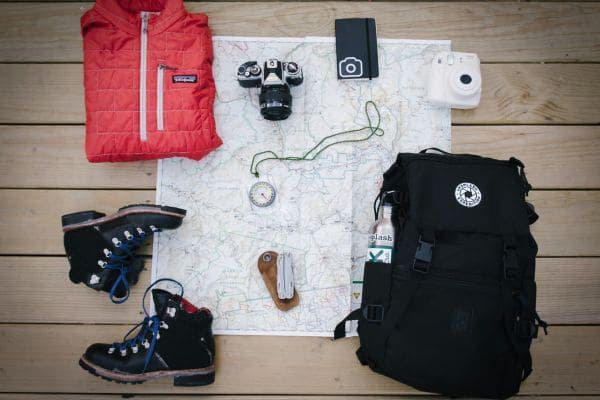
Cold exposure is an additional challenge at high altitudes, and it can worsen the body’s response to low oxygen levels. Dressing appropriately for altitude conditions helps conserve energy and reduce the body’s stress.
Dress in Layers: Layering allows you to adjust your clothing according to changing temperatures. Thermal base layers, insulating mid-layers, and waterproof outer layers help keep you warm and dry.
Protect Your Extremities: Cold hands, feet, and ears can make you feel colder overall. Wear gloves, warm socks, and a hat to maintain warmth.
Use Sunscreen and Sunglasses: The sun’s rays are stronger at high altitudes, so protect your skin and eyes with sunscreen and polarized sunglasses to prevent sunburn and snow blindness.
Clothing and Gear Tips:
Proper clothing not only keeps you warm but also conserves your energy, helping your body cope with altitude stress more effectively.
Importance of Rest and Avoiding Overexertion
High-altitude hiking can be physically demanding, but overexerting yourself can increase the risk of AMS, HAPE, and HACE. At higher elevations, your body requires more energy just to breathe and perform basic functions, leaving less energy for physical activity.
Pace Yourself: Keep a slow, steady pace and avoid rapid, strenuous activity in the first few days at high altitude.
Take Frequent Breaks: Resting frequently allows your body to recover and prevents overexertion.
Limit Intense Physical Activity: While light hiking is fine, avoid strenuous workouts or heavy lifting at high altitudes until you’ve had time to acclimatize.
Tips for Managing Physical Effort:
By respecting your body’s limits and pacing yourself, you can help it adjust to high-altitude conditions without undue stress.
Final Thoughts
Preventing AMS, HAPE, and HACE is a matter of preparation, patience, and understanding the effects of altitude on the body. By following these strategies—gradual acclimatization, hydration, medication when necessary, monitoring symptoms, dressing appropriately, and pacing yourself—you can minimize the risk of altitude-related illnesses and enjoy a safe, successful high-altitude hike. Remember that the mountain will always be there, and prioritizing your health and safety allows you to enjoy the journey as well as the summit.
Experienced Hiker
Discover the beauty of hiking and explore these beginner-friendly trails. Lorem ipsum dolor sit amet consectetur adipisicing elit. Quam error, odit aut possimus natus dolorem provident, temporibus expedita iure incidunt amet accusantium cum, repellat assumenda dolores mollitia totam! Recusandae, voluptas.
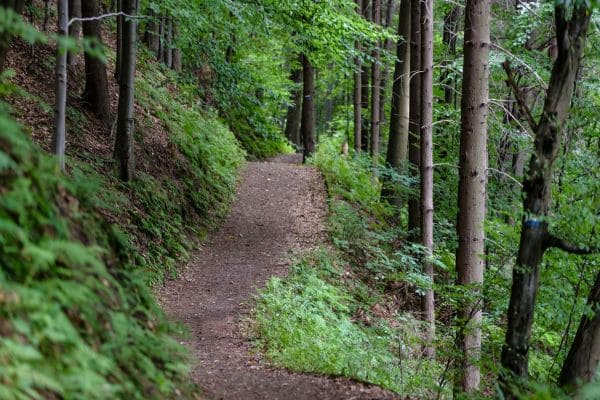
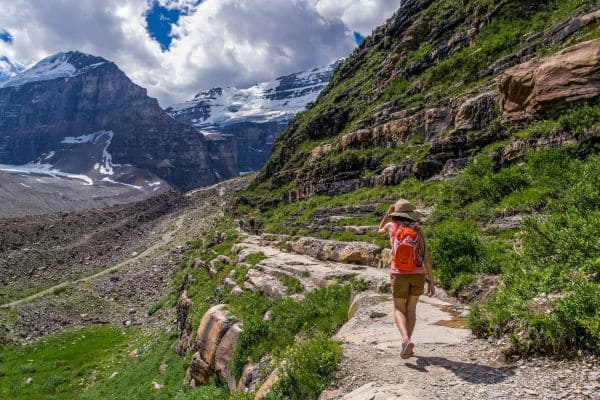
Get inspired by the beauty of beginner-friendly hiking trails through our curated gallery. Let these images motivate you to lace up your boots and explore the great outdoors! Lorem ipsum, dolor sit amet consectetur adipisicing elit. Harum soluta mollitia earum vero similique facilis quo corrupti asperiores, fugiat totam necessitatibus labore voluptate molestiae quam impedit vel. Error, minus aut.
3 Comments
Olivia Williams
May 21, 2024
Lorem ipsum dolor sit amet, consectetur adipisicing elit. Molestias sapiente ullam esse laudantium corporis pariatur.
Alexander Smith
May 22, 2024
Lorem ipsum dolor sit amet, consectetur adipisicing elit. Molestias sapiente ullam esse laudantium corporis pariatur.
Christopher Brown
May 22, 2024
Lorem ipsum dolor sit amet, consectetur adipisicing elit. Molestias sapiente ullam esse laudantium corporis pariatur.